

INTO THE WILD
Where the Pacific meets the rugged Baja desert, we wander hundreds of nautical miles downwind in search of waves and margaritas, finding precious few of either.

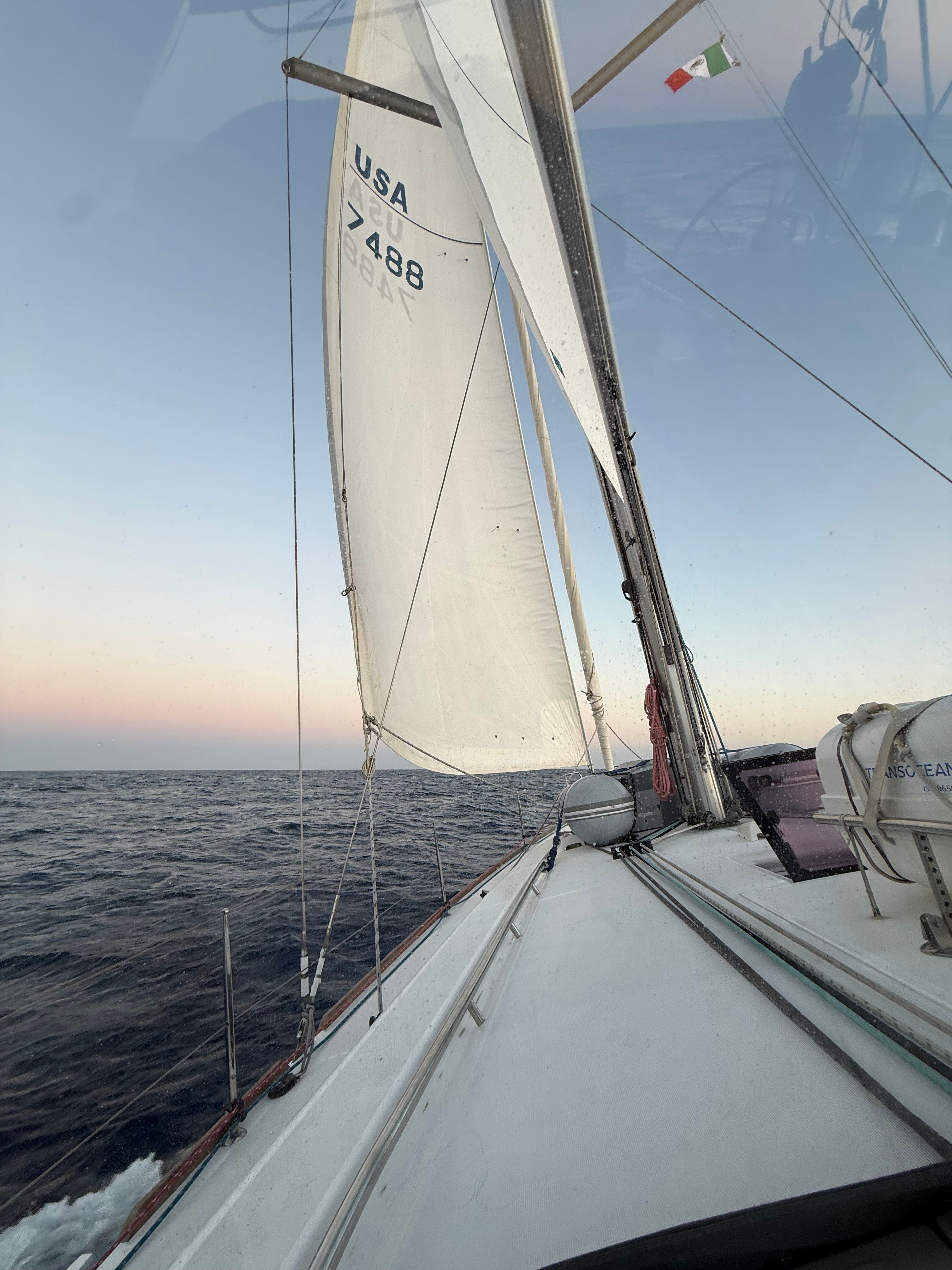
This is part two of a series on our voyage to the Sea of Cortez. If you missed part one, you can check it out here.

At night, the dolphins that swim alongside your bow are no longer the dolphins you know. They are ethereal streaks on the surface, phantom creatures from another world. You’re not even sure if they’re really there. You squint into the void and wonder if that fuzzy relief from the darkness is a ship carrying thousands of warm bodies or merely a reflection from your own steaming lights. You frown at the monitors for the millionth time, hoping your instruments are better than you at making sense of your mysterious surroundings. You try to keep your mind off worst-case-scenario events. The familiar qualities that tether you to reality in the light of day disappear, and it’s up to you to construct a sense of place in this eerie isolation.
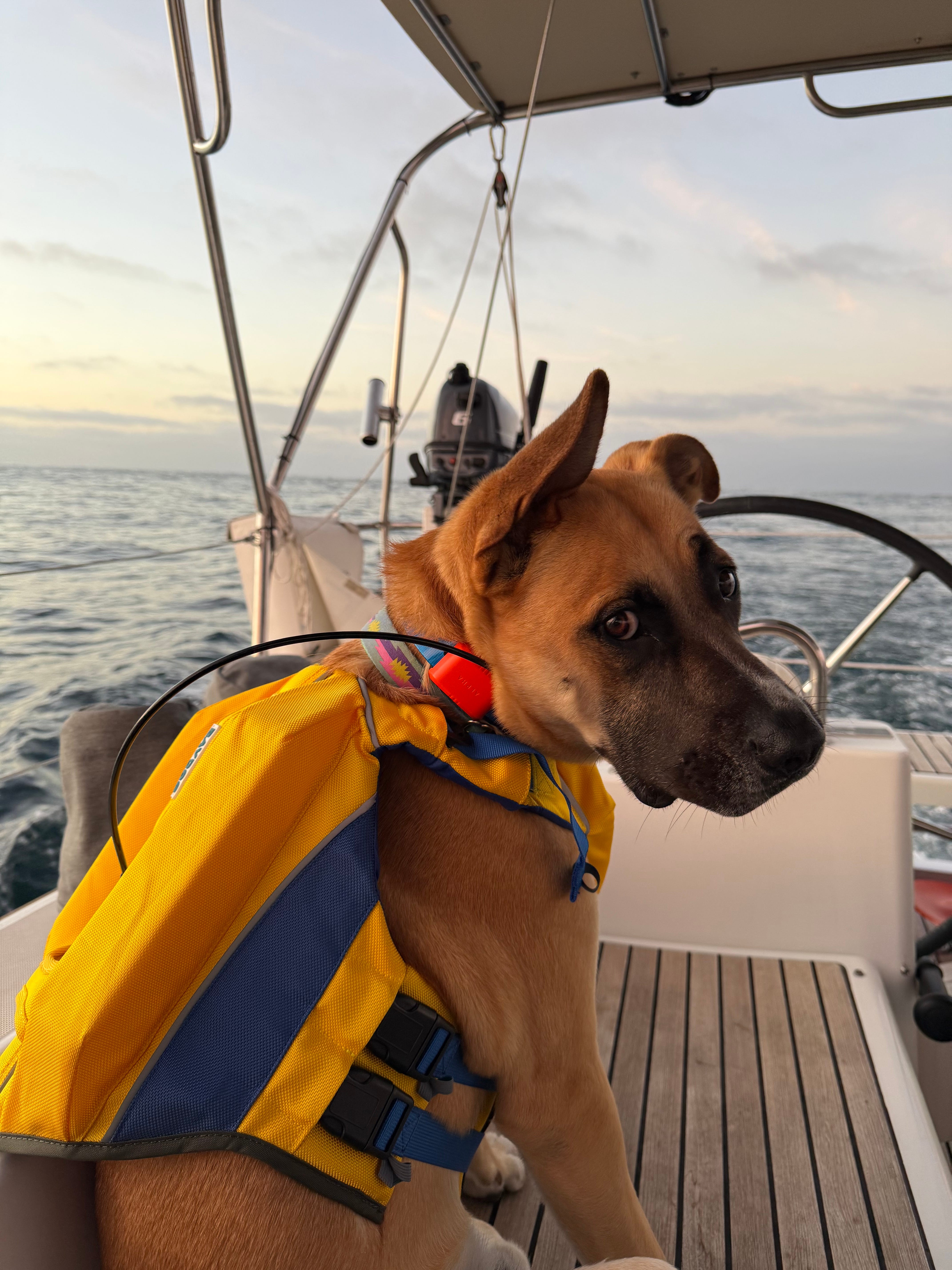
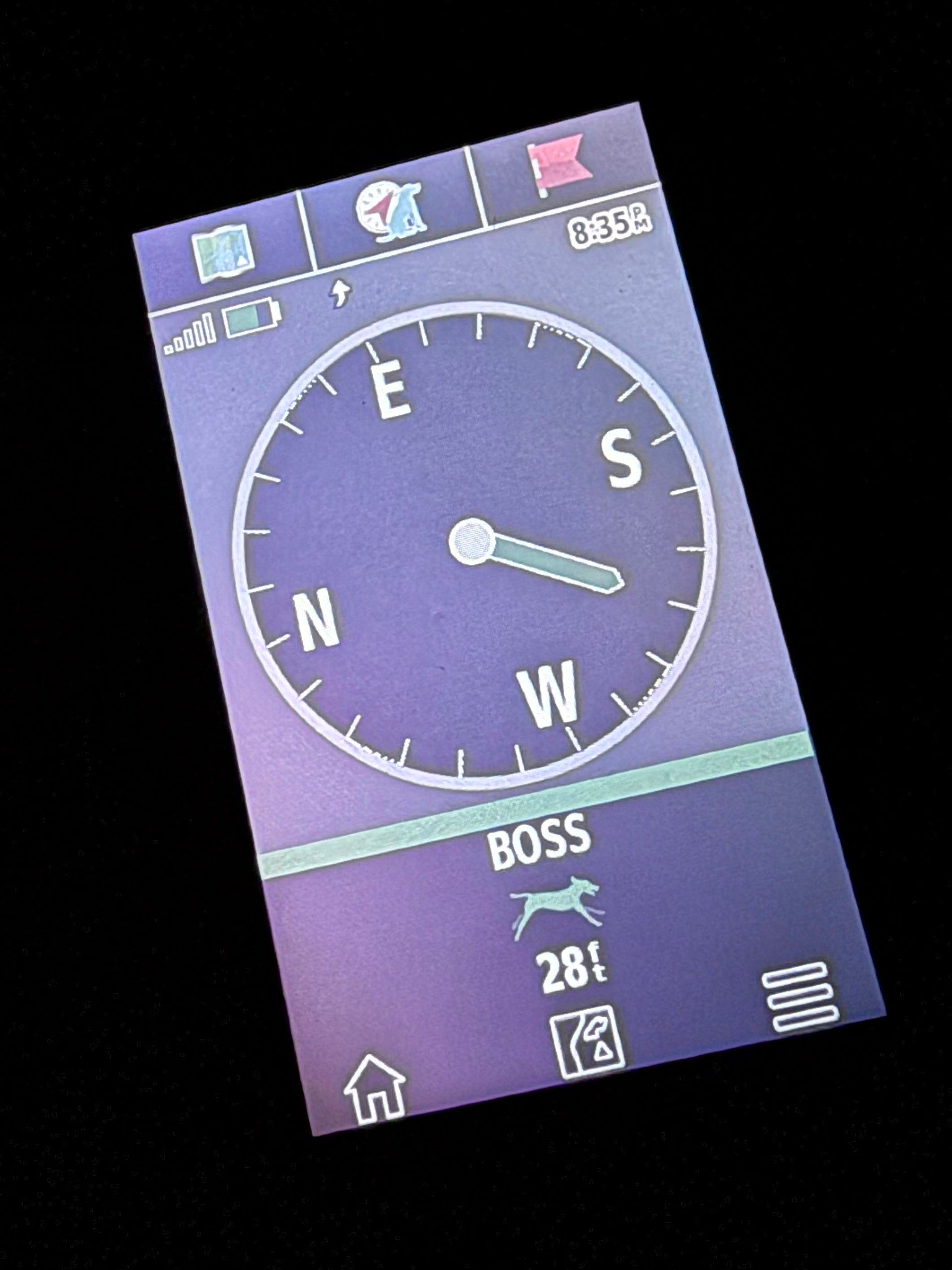
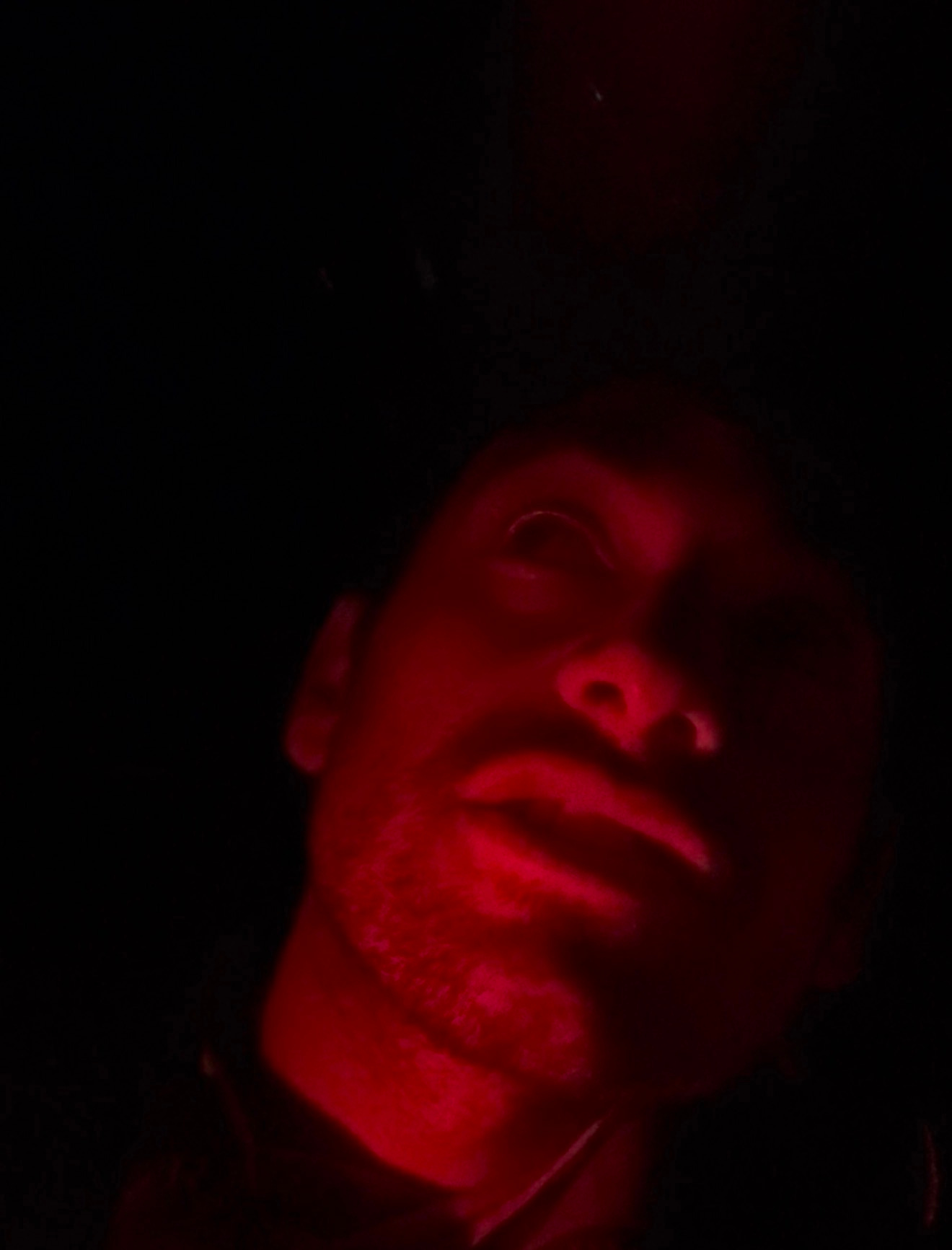
A hint of queasiness washed over me as the pink sunset faded into nothing on our way out of Ensenada. It was disorienting. There was no more horizon to watch, only a closed, immediate world. I skipped dinner and boiled a pot of chai instead. We all put on our offshore gear: Teddy and I in boots, overalls, lifevests, harnesses, and weatherproof jackets; Boss in a submarine-like lifejacket and GPS collar with a blinking green sensor that cut across the red cabin lights. We studied the charts and made a plan of attack for night watch: two three-hour shifts apiece.
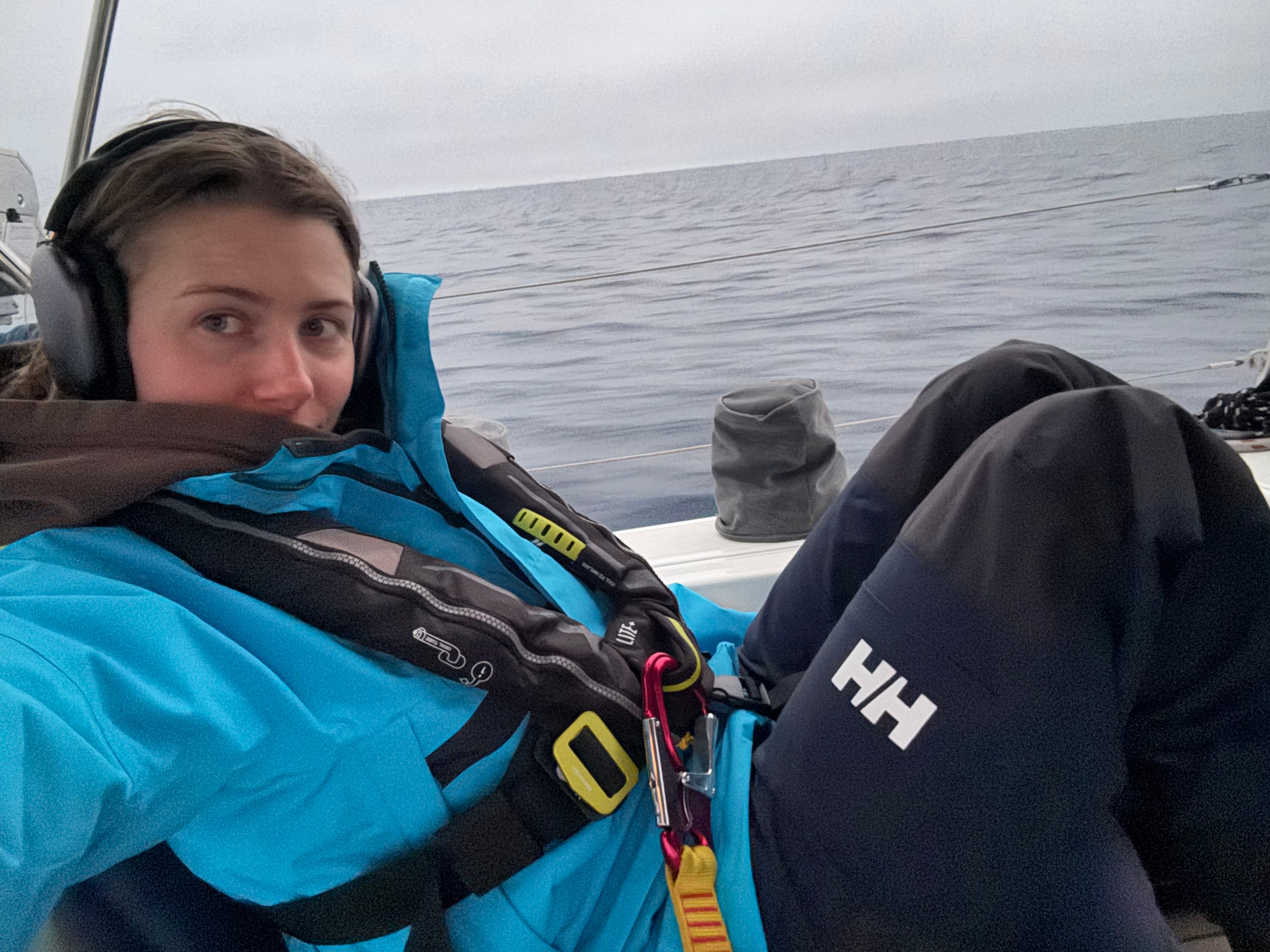
That first night, there was no wind and no moon. We motored into the black. I turned deep house way up in my headphones, wrapped myself in blankets, and danced around the cockpit tethered to a little metal shackle on the floor. My nerves were firing; I felt alive. By the time Teddy roused me for my second shift, the fatigue had caught up to me, and I’d have rather been dead than go outside for another three hours.
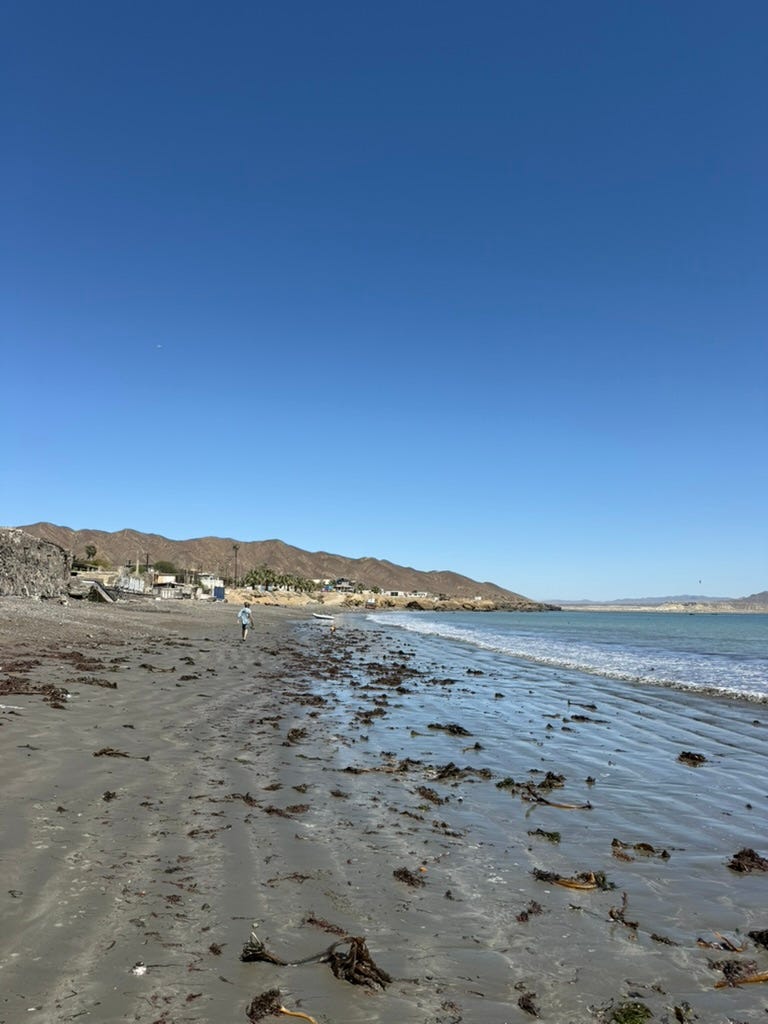
Although there are tens of thousands of cruisers around the world, something about sailing to a remote destination makes you feel like the first to ever do it. We dropped our anchor outside a tantalizing point break in San Quintín feeling immensely pleased with ourselves. After running wildly with Boss on the long, sandy beach, stepping gingerly over seal bones and plunging into the shorebreak with reckless abandon, we motored the dinghy over to the wave and took turns paddling in. The water was unseasonably warm and the sun sparkled everywhere. I finished each ride with a shit-eating grin.
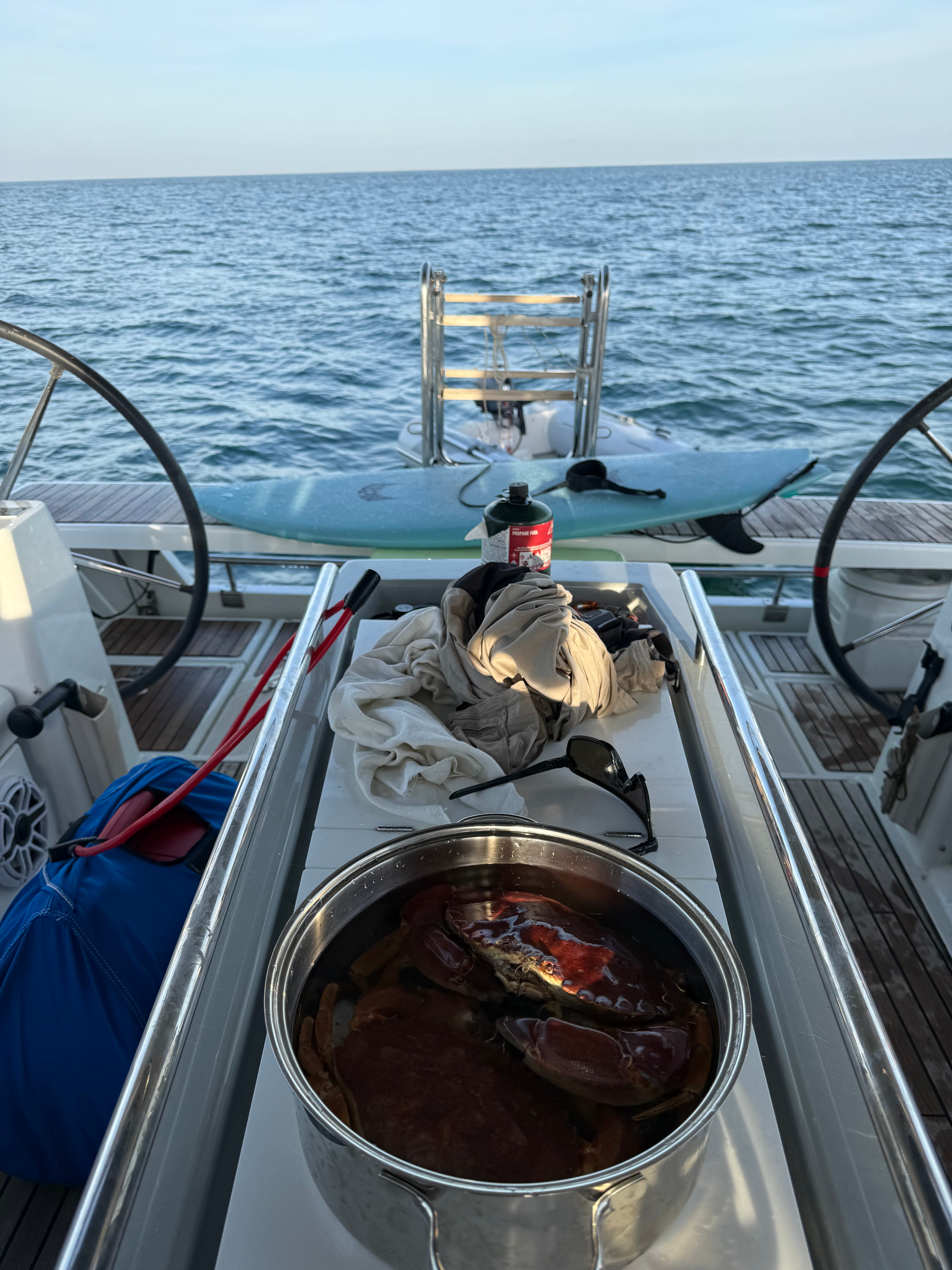
Just before sunset, a panguero stopped by our boat looking for something to drink. We passed him a few cervezas, and he handed over a giant bucket of fresh crabs in exchange. “¡Solo dos, solo dos!” Teddy cried. The man held out two more crabs before catching on that we wanted about 48 fewer. We boiled them and ate them with garlic butter, tossing the shells overboard.
After a few days of feasting on long, lazy waves, it was time to move on. There was so much more to discover. We unfurled our sails and set our sights on Punta Baja, a point break a few hours south that looked promising in the guidebooks. A thick fog closed in around us as we made our approach. Two nautical miles remaining, then one, and we still couldn’t see a thing. It was too dangerous to anchor without knowing what was around us, especially as fishing pangas ran in and out, unaware of our presence. With no other protected anchorages around, there was no choice but to continue on through the night.
Our eyes strained against the white mist all around us, hoping it would lift as we went further out to sea. It never did. We could barely see the top of our mast. The thick moisture in the air clung to the teak decks, pooled on the fiberglass, and dripped off the canvas covers, making everything cold and inhospitable. The light softened around us until it became extinguished.
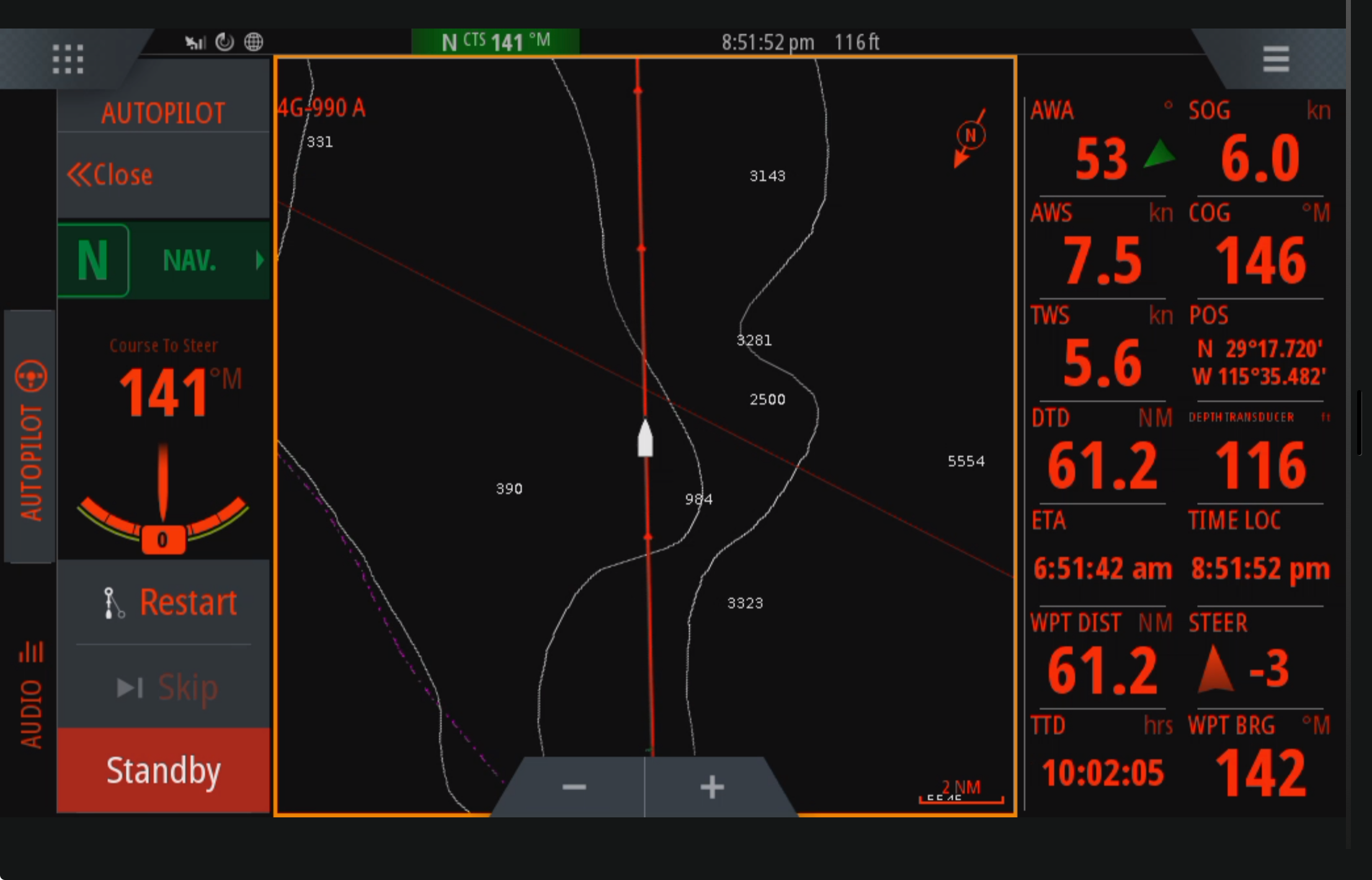
We fiddled with our instruments, trying to get our bearings. All large commercial vessels and most pleasure boats are identified on AIS, a collision-avoidance system that broadcasts the location and heading of boats in the area. But we knew there were many other fishing boats and small craft out there. Our radar showed nebulous red blobs all around us. If you studied a blob over a period of time, keeping track of how solid it was and whether it seemed to be moving in any particular direction, you could distinguish, with a modicum of confidence, real boats from radar hallucinations.
Teddy took the first watch. When I rose for the 1 a.m. shift change, there was action afoot. Two strong radar signatures were showing up on the screen in our immediate vicinity. One was the crew of Santa Barbara surfers we’d met in San Quintín, Mandolina, also heading south after bailing on Punta Baja. They answered our radio call immediately. The other vessel stayed silent. Slowly, we overtook Mandolina to their starboard side and kept on eye on the mystery boat to their port, relaying information to them periodically. Their radar was broken and they were sailing completely blind.
Much later, we’d reconnect with Mandolina somewhere south of the Tropic of Cancer and laugh about that hair-raising night. They’d been given advice not to worry about fixing their radar. That unrelenting fog taught us otherwise, a lesson I doubt any of us will soon forget.
We passed Cedros Island at sunrise, locking ourselves below deck as a deranged bat repeatedly divebombed our cockpit. The guidebooks described a pair of cruisers getting caught up in a machete incident on the island’s south end in the 1980s. We decided to press on another full day.
When we finally made it that afternoon to Turtle Bay, the famous halfway point down the Baja coast, it was not the taco paradise I’d naively envisioned. It was the off-season for cruising and the small village was deserted. We spent a fortune on diesel, the seller taking full advantage of his monopoly on 500 miles of desolate coastline, his competition allegedly having disappeared under mysterious circumstances. Fishing boats drove in circles around us until we offered them beer and chocolate bars. We struck up a conversation with an old man ashore who warned us not to talk to other villagers and insisted we bring him a Coca-Cola. There was nowhere to get one. It seemed ill-advised to carry a debt in this town, and we left at the earliest opportunity.
Sometimes, in remote areas, things get weird. You can feel when your presence is a net positive, and you can feel when you’re disrupting a delicate equilibrium.
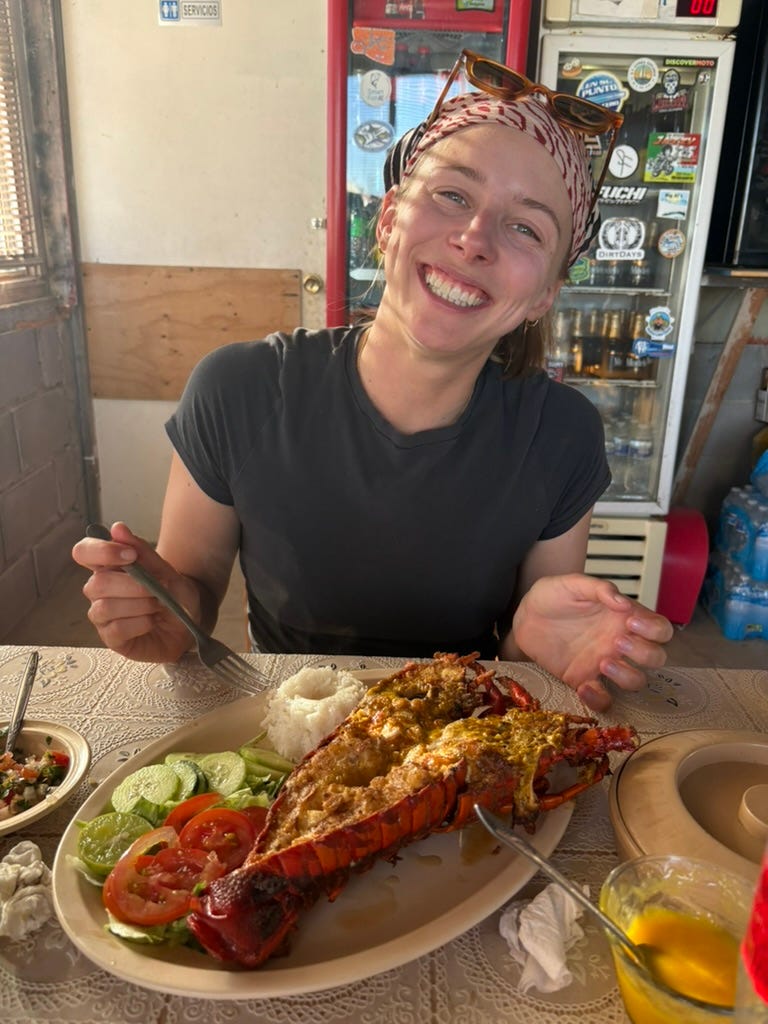
Our next couple of stops blurred together. We put our sailing and anchoring skills to the test in ferocious winds, found a lone empty restaurant serving delicious coconut shrimp and lobster, schlepped fuel cans a mile to a Pemex station before catching a ride back with a friendly local, and got chased around dirt roads by packs of dogs, one of whom stuck with us and became fast friends with Boss. The two dug holes on the beach until they nearly collapsed from exhaustion. We searched for more waves, but found none, the swell forecast and anchoring conditions not in our favor.
It had been fourteen days since we’d left home, and I was more than ready for a change of scenery. We set out on another long overnight passage toward Mag Bay, where we planned to get some rest before the final push to Cabo and the promised land.
Those rewards were much further beyond our grasp than we realized.
Hm. And here I thought night surfing was risky business.
"That first night, there was no wind and no moon. We motored into the black." Soooo good